THE REVIVAL PERIOD
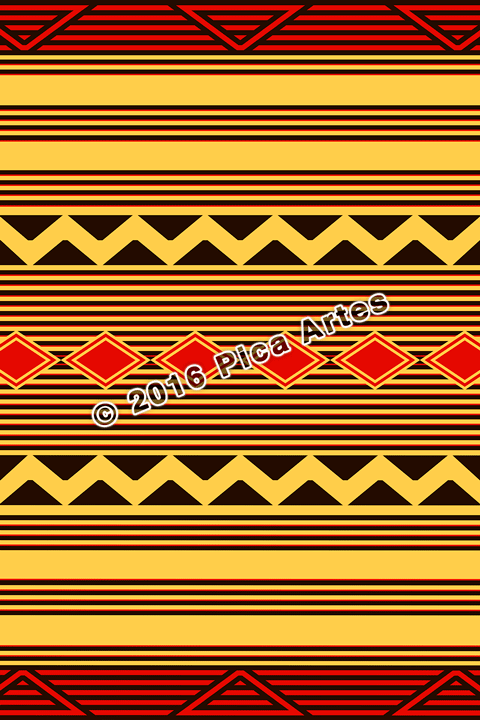
Chinle Rug
Chinle rugs were first woven by the Dine' during the Revival Period from the 1930s to the 1940s. Chinle rugs typically feature bands of repeating geometric designs such as chevrons or diamonds alternating with bands of solid color. Chinle rugs are most commonly woven in pastel colors, however, they are sometimes bright and bold.
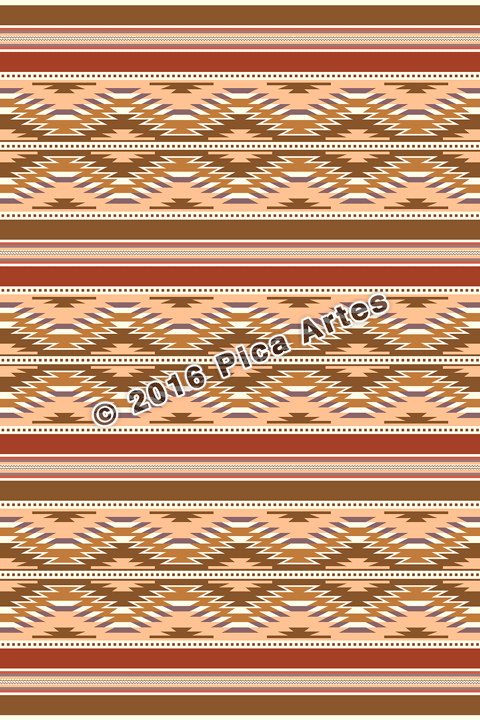
Wide Ruins Rug
Wide Ruins rugs were first woven by the Dine' during the Revival Period from the 1930s to the 1940s. Wide Ruins rugs are the most elaborate of the Banded rugs and typically have broad, plain bands alternating with very narrow bands containing delicate motifs. Wide Ruins rug colors tend toward the deep browns, olives, maroons and mustards with accents of mauve, pale purple, pink or blue.
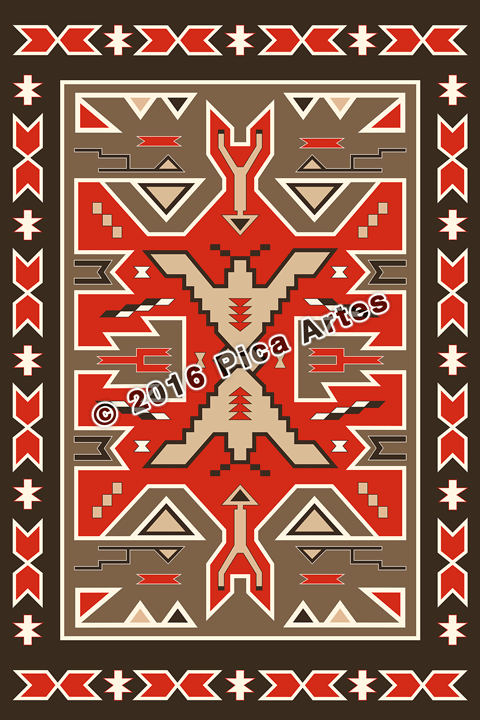
Teec Nos Pos Rug
Teec Nos Pos rugs were first woven by the Dine' during the Revival Period from the 1930s to the 1940s. The design of these rugs is characterized by wide borders which often contain loghtening paths or arrows. The center design of these rugs is elaborate and contains diamonds or triangles enhanced with feather or arrow patterns. All of the design elements are typically outlined in contrasting colors.
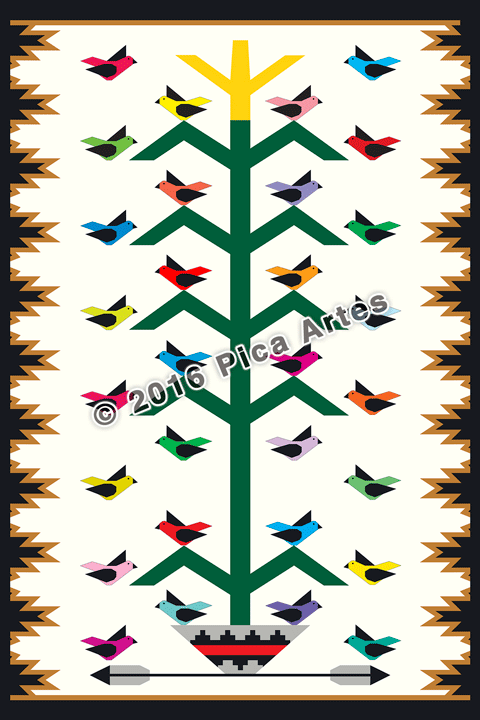
Tree of Life Rug
Tree of Life rugs were first woven by the Dine' during the Revival Period from the 1930s to the 1940s. The Tree of Life design portrays a cornstalk or tree growing from a basket. Brilliantly colored birds perch on and fly around the plant. Butterflies, rabbits, squirrels or other animals may be present as well. The background is typically woven in a pale color to enhance the appearance of the birds.
